

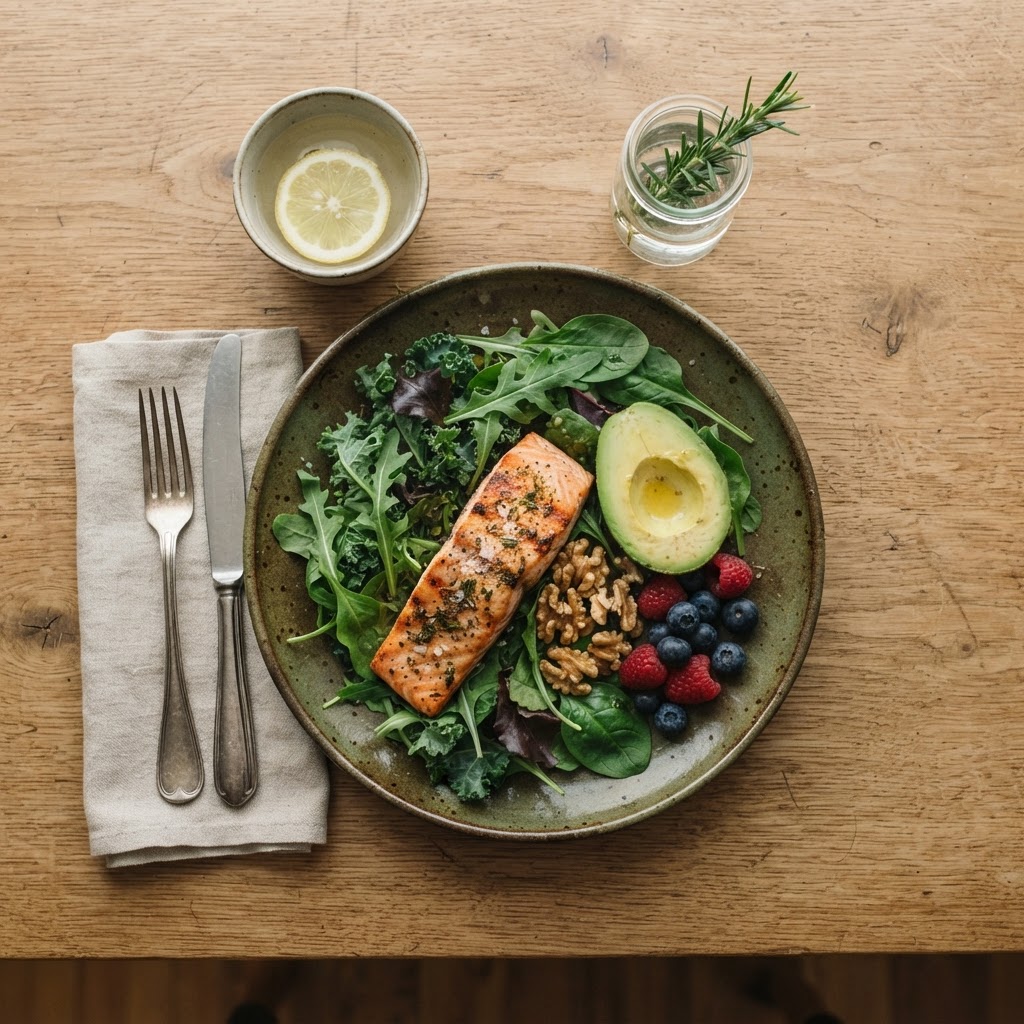
When the body struggles to respond to insulin, energy regulation begins to lose its rhythm.
Insulin is a hormone produced by the pancreas. One of its important roles is helping move glucose from the bloodstream into cells, where it can be used or stored. Insulin itself is not the enemy — it is essential for life. The problem begins when the body becomes less responsive to it.
1What Is Insulin?
Insulin is a hormone produced by the pancreas.
One of its important roles is helping move glucose from the bloodstream into cells, where it can be used or stored.
After eating, particularly foods containing carbohydrates, blood glucose may rise. Insulin helps manage that rise.
Insulin itself is not the enemy. It is essential for life. The problem begins when the body becomes less responsive to it.
2What Is Insulin Resistance?
Insulin resistance means cells do not respond to insulin as effectively as they should.
The pancreas may compensate by producing more insulin. For a time, blood glucose can still appear normal because the body is working harder to control it. Over time, this compensation may become less effective.
Insulin resistance is associated with problems such as:
- Excess abdominal fat
- Fatty liver
- Elevated blood glucose
- High triglycerides
- Low HDL cholesterol
- Increased hunger
- Energy crashes
- Type 2 diabetes
It develops gradually and can exist before a person is diagnosed with diabetes.
3What Contributes to It?
Insulin resistance is influenced by many connected factors, including:
- Frequent ultra-processed food
- Refined carbohydrates and added sugars
- Sugary drinks
- Constant eating and snacking
- Low muscle activity
- Poor sleep
- Chronic stress
- Excess visceral fat
- Disrupted daily rhythms
- Long periods of inactivity
It is usually the result of a pattern, not one food eaten occasionally.
4Why Muscle Matters
Muscle is an important site for glucose use.
Walking, carrying, climbing and strength training help active muscles use fuel. Building and maintaining muscle can support better glucose regulation, especially as we age.
You do not need extreme exercise. Regular movement repeated throughout the week is more useful than one heroic workout followed by several inactive days.
5Food Quality Comes First
A useful first step is to reduce foods that repeatedly deliver refined starch, sugar and poor-quality fats together.
Examples include:
- Sweet drinks
- Cakes
- Biscuits
- Sugary cereals
- Refined snack foods
- Many fast-food combinations
- Highly processed desserts
Build meals around:
- Whole-food protein
- Natural fats
- Vegetables
- Appropriate portions of fruit
- Minimally processed ingredients
This often improves satiety and reduces the urge to snack constantly.
6Create Time Between Meals
Eating from early morning until late at night leaves little time without incoming energy.
A consistent overnight eating break can help restore a clearer rhythm between feeding and fasting. This does not require extreme fasting.
Begin by:
- Finishing dinner earlier
- Avoiding late-night snacks
- Eating proper meals
- Allowing genuine hunger to return naturally
7Signs Are Not a Diagnosis
Tiredness, cravings or abdominal weight gain can have many causes. Insulin resistance cannot be confirmed from symptoms alone.
Useful clinical measurements may include:
- Fasting glucose
- HbA1c
- Triglycerides
- HDL cholesterol
- Waist measurement
- Blood pressure
- Other tests recommended by a clinician
8Quick Check
What does insulin resistance mean?
- The body no longer produces any insulin
- Cells respond less effectively to insulin
- All carbohydrates become toxic
- Blood glucose must always be high
Correct answer: 2 — Cells respond less effectively to insulin.
Key takeaways
- Insulin resistance is a gradual loss of metabolic responsiveness, not the absence of insulin.
- It is driven by patterns — ultra-processed food, constant snacking, low movement, poor sleep and stress.
- Muscle is a major site for glucose use; regular movement and strength training help.
- Whole food, fewer eating occasions and better sleep help rebuild a healthier rhythm.
- Symptoms alone cannot diagnose it — use clinical measurements and clinical guidance.
Try this today
- Take a ten-minute walk after one meal.
- It is a simple way to help active muscles use available fuel.
References & further reading
- American Diabetes Association. (2024). Insulin Resistance. diabetes.org/healthy-living/insulin-resistance
- Ludwig, D. S. & Ebbeling, C. B. (2018). The carbohydrate-insulin model of obesity. JAMA Internal Medicine, 178(8), 1098-1103.
- Samuel, V. T. & Shulman, G. I. (2016). The pathogenesis of insulin resistance. Cell, 166(1), 13-17.
- Willett, W., et al. (2002). Glycemic index, glycemic load, and risk of type 2 diabetes. American Journal of Clinical Nutrition, 76(1), 274S-280S.